
Advisory Board of the Explore Energy Digital Academy
The Advisory Board is comprised of distinguished experts and thought leaders in the field of the energy economy. Members has been meticulously chosen to provide strategic guidance and insights into the academy’s curriculum development, research initiatives, and engagement with industry and policy stakeholders.
The Advisory Board members bring with them a wealth of experience and diverse perspectives from various sectors, including renewable energy, oil and gas, academia, policy-making, and international development. Their collective expertise does not only ensure that EEDA’s programs remain at the forefront of industry trends and advancements, but also contribute to fostering a holistic and forward-thinking approach to energy economics education.
The Advisory Board play an essential role in shaping the academy’s mission to provide world-class education and training in energy economics, addressing current and emerging challenges, and fostering the development of sustainable and resilient energy systems. EEDA is honored to have these distinguished professionals on board and eagerly anticipates their invaluable contributions in molding the next generation of energy economy leaders.
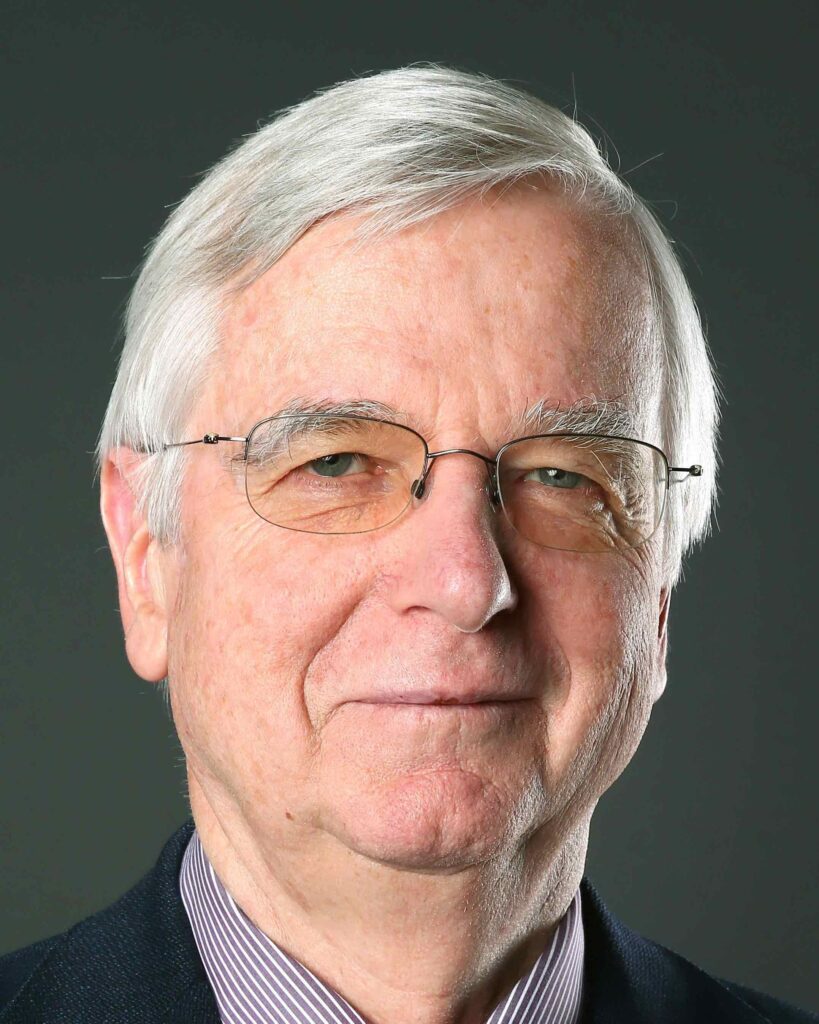
Daniel Favrat; Dr; Prof em, EPFL, Switzerland
Daniel Favrat earned his Master’s degree in Mechanical Engineering from EPFL in 1972 and later completed his Ph.D. at the same institution. Over the course of his career, he dedicated 12 years to research in industrial laboratories at Esso Canada and CERAC in Switzerland. From 1988 to 2013, he held the position of a full professor and served as the director of the Industrial Energy Systems Laboratory (LENI) at EPFL. During this time, he also held leadership roles as the director of the Institute of Energy and the director of the Institute of Mechanical Engineering. Since August 2013, he has been associated with the EPFL Energy Center, initially as the director ad interim and now as the director of technologies. His research encompasses systemic analyses that consider energy, environment, and economics (known as environomic optimization) and advanced conversion systems for more efficient energy utilization, including heat pumps, ORC systems, engines, fuel cells, and power plants. Daniel Favrat is a distinguished member of the Swiss Academy of Engineering Sciences and the National Academy of Technology in France. Additionally, he plays an active role in the World Federation of Engineering Organizations (WFEO), serving on the executive committee and as vice-chair of the energy committee. He also serves as an associate editor for the “Energy” journal and the International Journal of Thermodynamics. Furthermore, he has authored several books on thermodynamics and energy systems analysis and holds the position of an affiliate professor at the “Royal Institute of Technology (KTH)” in Stockholm.
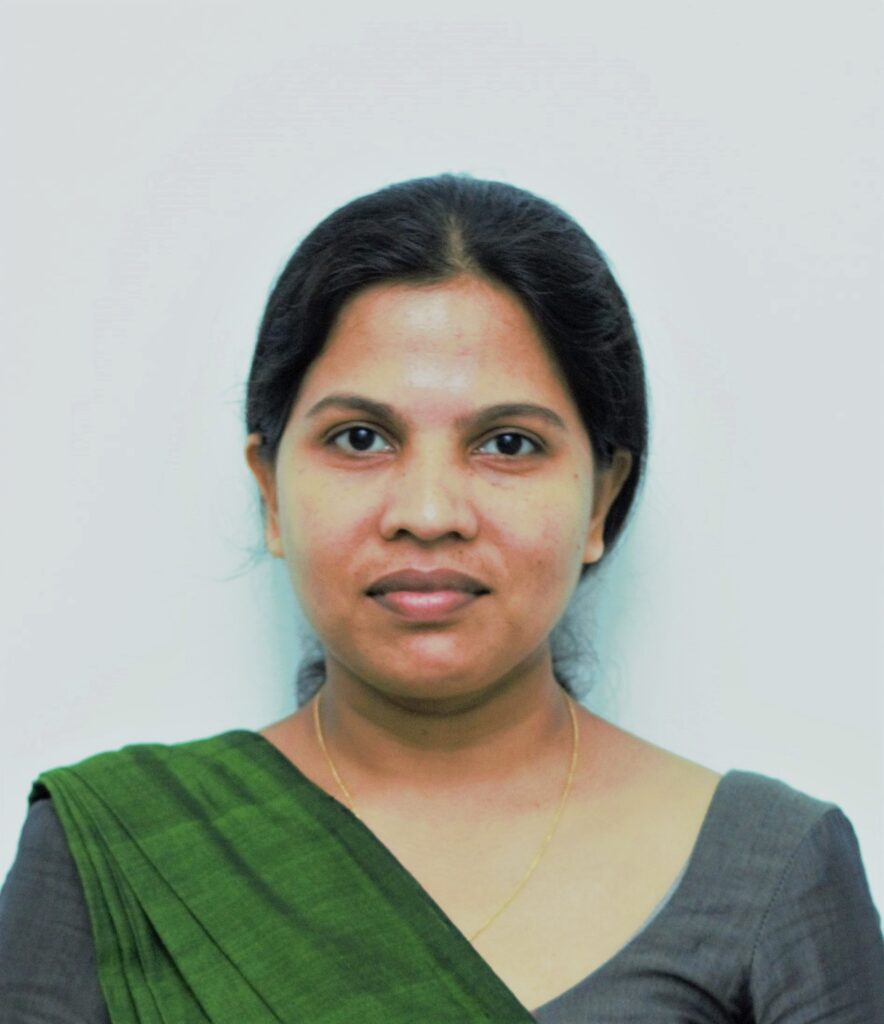
Duleeka Gunarathne; Dr; Senior lecturer, UoM, Sri Lanka
Dr. Duleeka Gunarathna is a Senior Lecturer at the Department of Chemical and Process Engineering at the University of Moratuwa, a position she has held since January 2018. She has an impressive academic record, beginning with a BSc in Chemical and Process Engineering from the University of Moratuwa, Sri Lanka, followed by an MSc in Sustainable Energy Engineering and a PhD in Materials Science and Engineering, both from the Royal Institute of Technology (KTH) in Sweden. Her PhD thesis explored advanced gasification of biomass/waste as a substitution for fossil fuels in the steel industry, reflecting her commitment to sustainability and renewable energy solutions. Prior to her current role, she worked as a Research Engineer at the Department of Renewable Energy, National Engineering Research and Development Centre (NERDC) of Sri Lanka, and served briefly as an Engineering Trainee at Nestle Lanka Ltd. Dr. Gunarathna’s research interests focus on promoting biomass as an energy and material source to substitute fossil sources in the industry, with the aim of reducing net CO2 emissions and achieving a potentially higher value chain. Her academic and professional career displays a significant commitment to advancing sustainable energy and reducing environmental impact.
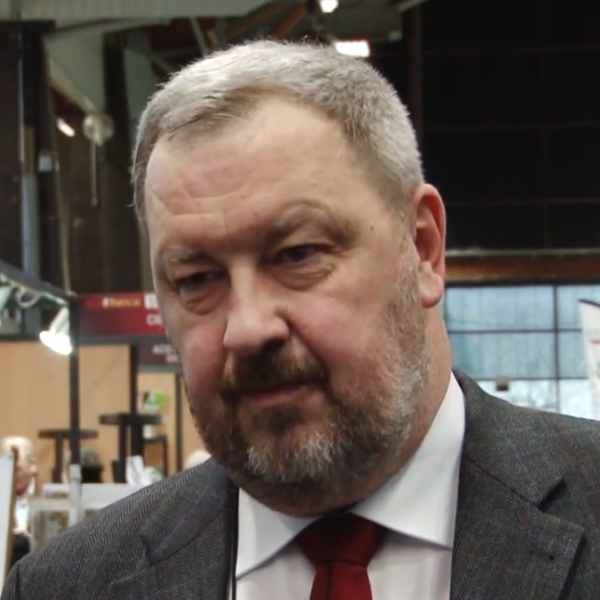
Jean-Luc Delplancke; Dr; Scientific Collaborator; ULB, Belgium.
Dr. Jean-Luc Delplancke, a Chemical and Metallurgical Engineer, currently serves as a Scientific Co-worker within the 4MAT Department (Materials Engineering, Characterization, Synthesis, and Recycling Department) at the Université Libre de Bruxelles in Belgium. He completed his Master’s Degree in Chemical Engineering at the same university in 1981, followed by a Master’s degree in Metallurgical Engineering in 1983. In 1987, he successfully earned his Ph.D. in Materials Science.
Subsequently, after his tenure as a Senior Researcher at the National Fund for Scientific Research of Belgium, he assumed the role of Professor of Materials Science at the Université Libre de Bruxelles in 1996. During his academic career, he took on the role of Director for the Materials Science and Electrochemistry Department in 1998.
In 2004, he transitioned to the European Commission and was entrusted with the position of Head of the Program Unit for the Fuel Cells and Hydrogen Joint Undertaking in 2011. This Joint Undertaking is a Public Private Partnership dedicated to advancing research and development in fuel cells and hydrogen technologies throughout Europe. In 2016, Dr. Delplancke retired from the Commission and now operates as an independent expert in the realm of renewable energy sources.
Lena Adamson; Associate Professor Psychology; SU, Sweden
She holds the title of Associate Professor of Psychology at Stockholm University and began her semi-retirement journey in February 2018. Throughout her career, she has taken on various leadership roles within and beyond academia. Notably, she concluded her position as the Director General of The Swedish Institute of Educational Research in February 2018. As the head of this government agency, she reported directly to the Minister of Education. The institute’s mission centered around producing systematic reviews on teaching and learning while also funding research in the same field. Her primary research area delves into human development issues within the realm of psychology and the practice of prevention science.
Her secondary expertise revolves around the development of quality, quality systems, and the enhancement of teaching and learning, both in higher education and the school system. With two decades of leadership experience spanning various organizations, both academic and non-academic, nationally and internationally, she offers a wealth of knowledge. She boasts extensive familiarity with numerous fields and disciplines within higher education and is known for her comprehensive experience in quality assurance work across different levels, from teaching to departmental, institutional, national, and in diverse international settings. Notably, she has played a pivotal role in developing the Quality Assurance system employed by the European Institute of Innovation and Technology, specifically for master and doctoral programs, known as “Quality for Learning.”
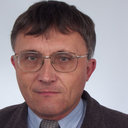
Wojciech Grega; Dr; Prof em; AGH, Poland:
Leads the design and implementation of KIC InnoEnergy strategy in education programs (MSc, PhD) and monitors the implementation of the programms at AGH and SUT Universities.